
From Camper to Conservationist: Environmental Geology student finds way back to Camp Ripley
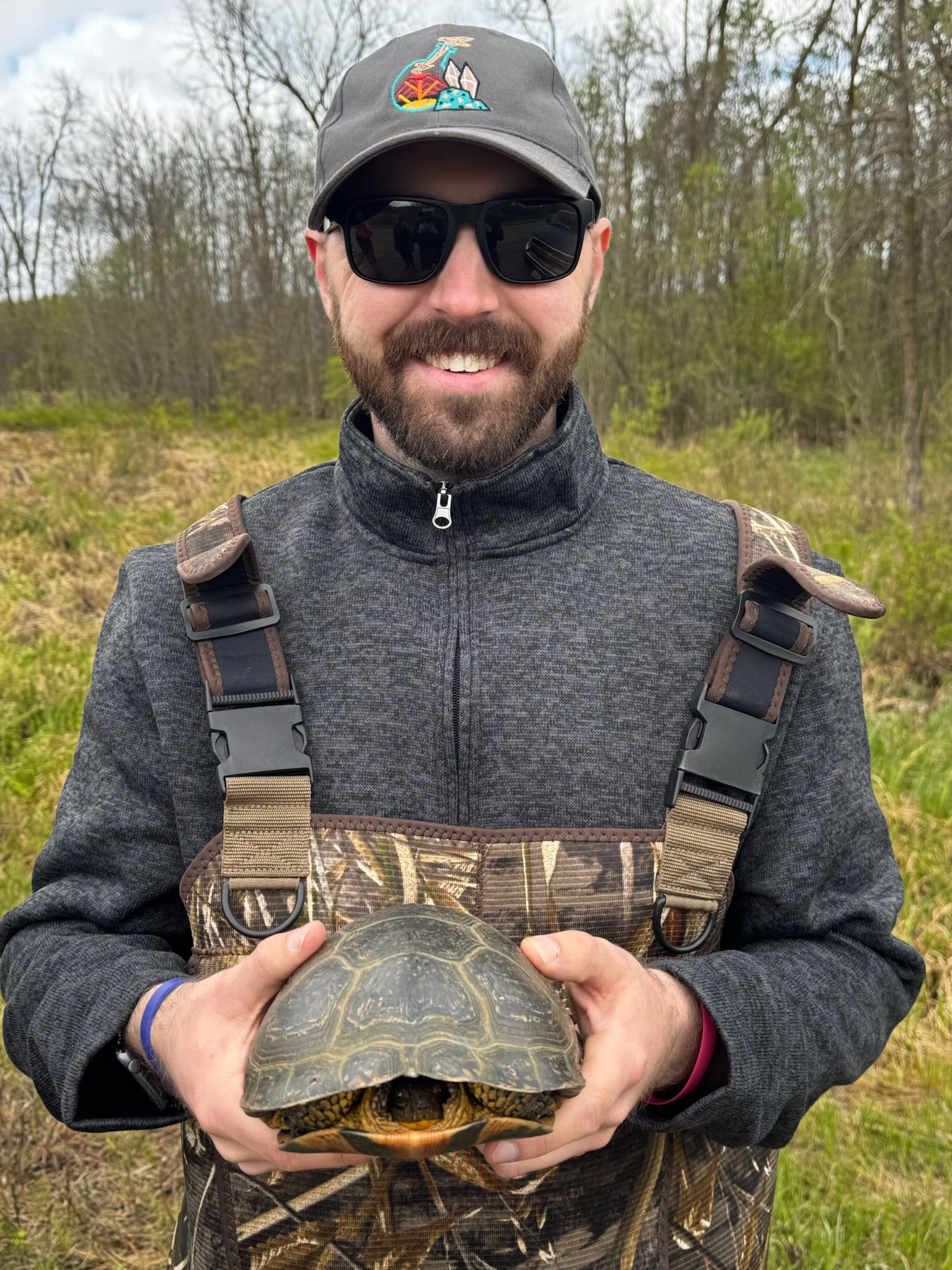
When Noah Papenfuss first stepped onto the grounds of Camp Ripley as a 12-year-old, he was just excited to paddle the Mississippi River, crawl across old tanks, and spend a week with friends. He never imagined he’d return more than a decade later, not as a camper, but as an environmental geology intern – ready to help protect the very land he spent time exploring.
Noah grew up in Brainerd, Minnesota, spending his childhood surrounded by lakes, forests, and the steady influence of a father who served nearly three decades in the Minnesota National Guard. Though his family moved around when he was young – with stops in Chicago, St. Paul, and Brainerd – his love of nature remained a constant.
“There’s so much history and life moving around Camp Ripley,” he said. “Even back then, I remember going to the nature center and hearing about wolf tracking and animal populations. It was cool stuff. I just didn’t know it would become relevant later in my life."
The Service to Success Internship opportunity at Camp Ripley arrived in Noah’s inbox almost by surprise thanks to Moorhead’s Aaron Krenz, yellow ribbon advance director, who knew Noah loved fieldwork and environmental sciences.
“I read the description,” Noah says, “and thought, this is exactly what I want to do. Soil and water quality testing. Habitat mapping. Tracking plant and animal populations. Real fieldwork with real impact.”
Camp Ripley manages 53,000 acres of mixed forest, prairie, and wetland. The area is rich in biodiversity and has several threatened and endangered species that require close monitoring. Josh Pennington, conservation program supervisor at Camp Ripley Training Center, provides additional insight into the conservation efforts that Noah's internship includes.
“Noah will be involved in surveys and tracking activities to aid in population monitoring for a state-threatened species, the Blandings turtle,” Josh says. “Later in the summer, when this species moves to deeper water, Noah will transition to supporting the installation in monitoring and treating terrestrial invasive plant species. We always hope that interns will learn about the variety of job opportunities within the interdisciplinary field of natural resources. Gaining experience in a few of these areas can spark an interest for further learning and development and help the student identify what is required to be successful in this field.”
Noah began his experiential learning internship in Spring 2026, and is expected to complete approximately 480 hours over the summer. He hit the ground running, helping to plant more than 5,000 white pines within the first month.
Noah’s work with the turtles yielded exciting results right away. In early June, he led a patrol to cage and protect nesting sites of the endangered Blanding's turtle. During a scouting trip, Noah was part of a team that discovered one of the largest Blanding's turtles ever recorded at Camp Ripley, weighing in at over 6 pounds.
Moorhead has equipped Noah well for this next step.
Classes in GIS mapping, geomorphology, and rock identification have given him technical skills. But it’s the encouragement and mentorship from faculty, like Dr. Karl Leonard, that make a difference.
“When I told Karl about the internship, he said, ‘Do it. This is a good thing for you,’ ” Noah says. “He’s really helped me take what we see in the classroom and understand it visually in the field.”
When Noah imagines his long-term career, he sees himself working in sustainability or conservation in national parks, but possibly in the industry first so he can better understand how to repair environmental damage.
“I want to be part of keeping what we have instead of taking more away,” he said.
The Service to Success Internship is a part of that journey, blending his childhood memories, academic passion, and desire to make a difference.
For anyone hoping to turn a dream into reality, Noah offers this: “Be curious. Go outside. Ask questions. Try things, even if you’re not sure yet. You don’t have to know your exact job right away just follow what feels meaningful, and the path will start to unfold.”
Connect with Veteran Resources
At Minnesota State Moorhead, we value the qualities of maturity, dedication, persistence, responsibility and leadership Veterans bring to our university. We want to facilitate you move from a tight-knit community of the armed forces to a strong, social support system at Moorhead.
Larry Shellito Veteran, Service Member & Family Success CenterMore Stories from Dragons
The Ripple Effect
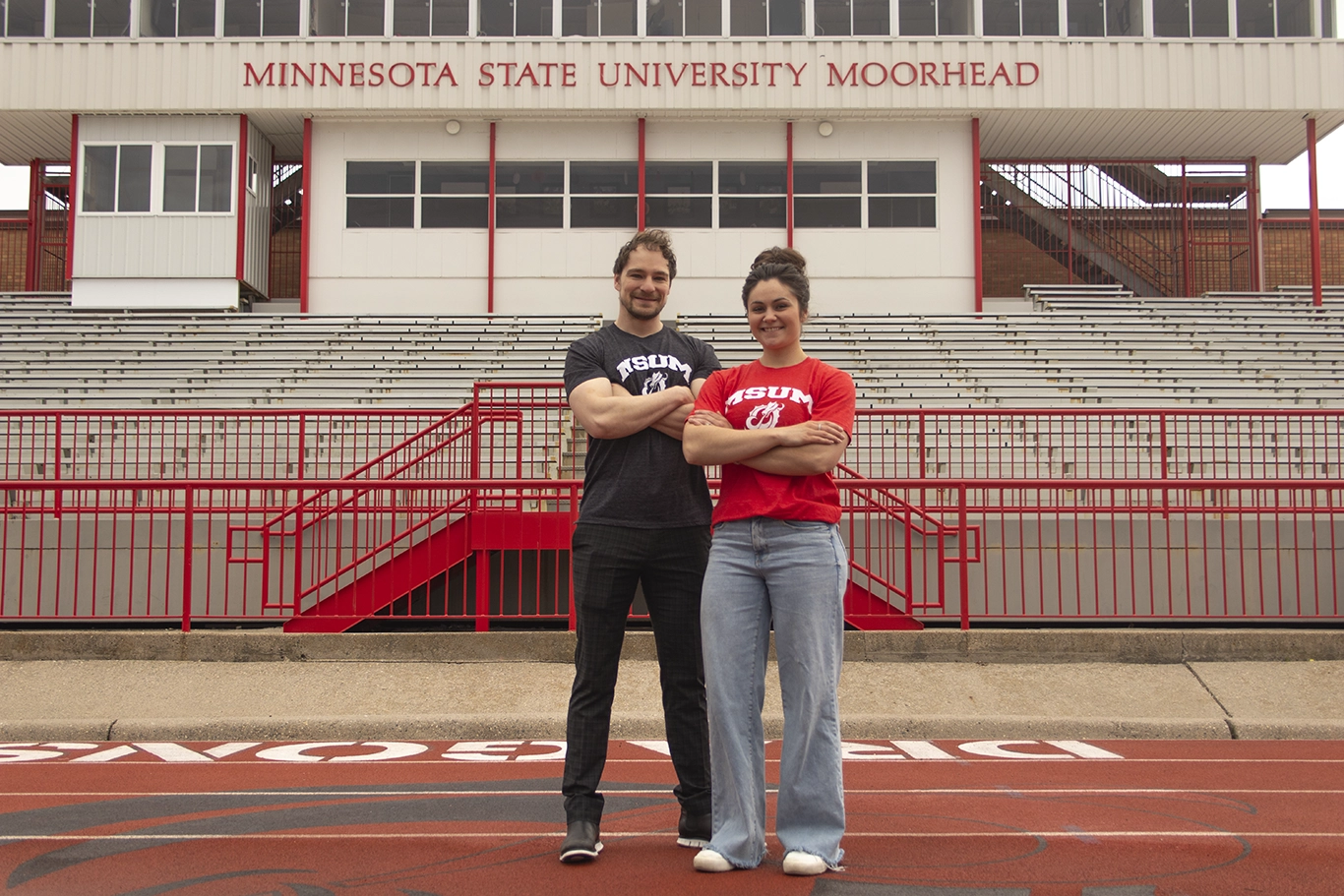
Tobias and Rachel Boegel carry on lessons learned at MSUM to create healthy opportunities for their community.
Honors College launches with 300 students
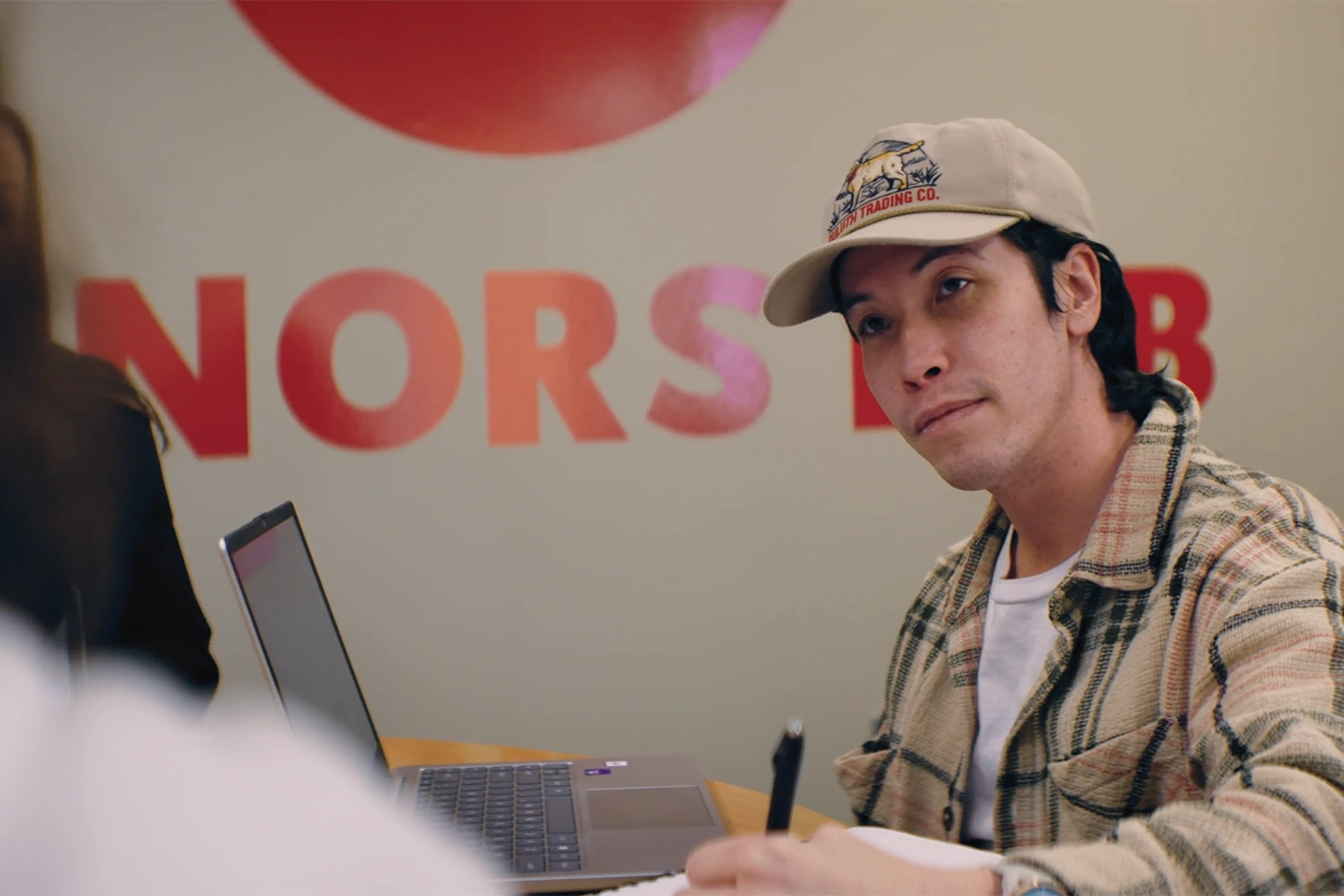
Minnesota State Moorhead's inaugural Honors College class launches with 300 students. The curriculum focuses on meaningful work, interdisciplinary courses, and a mentorship program.
From Cells to Stars: Learning by doing is learning that lasts
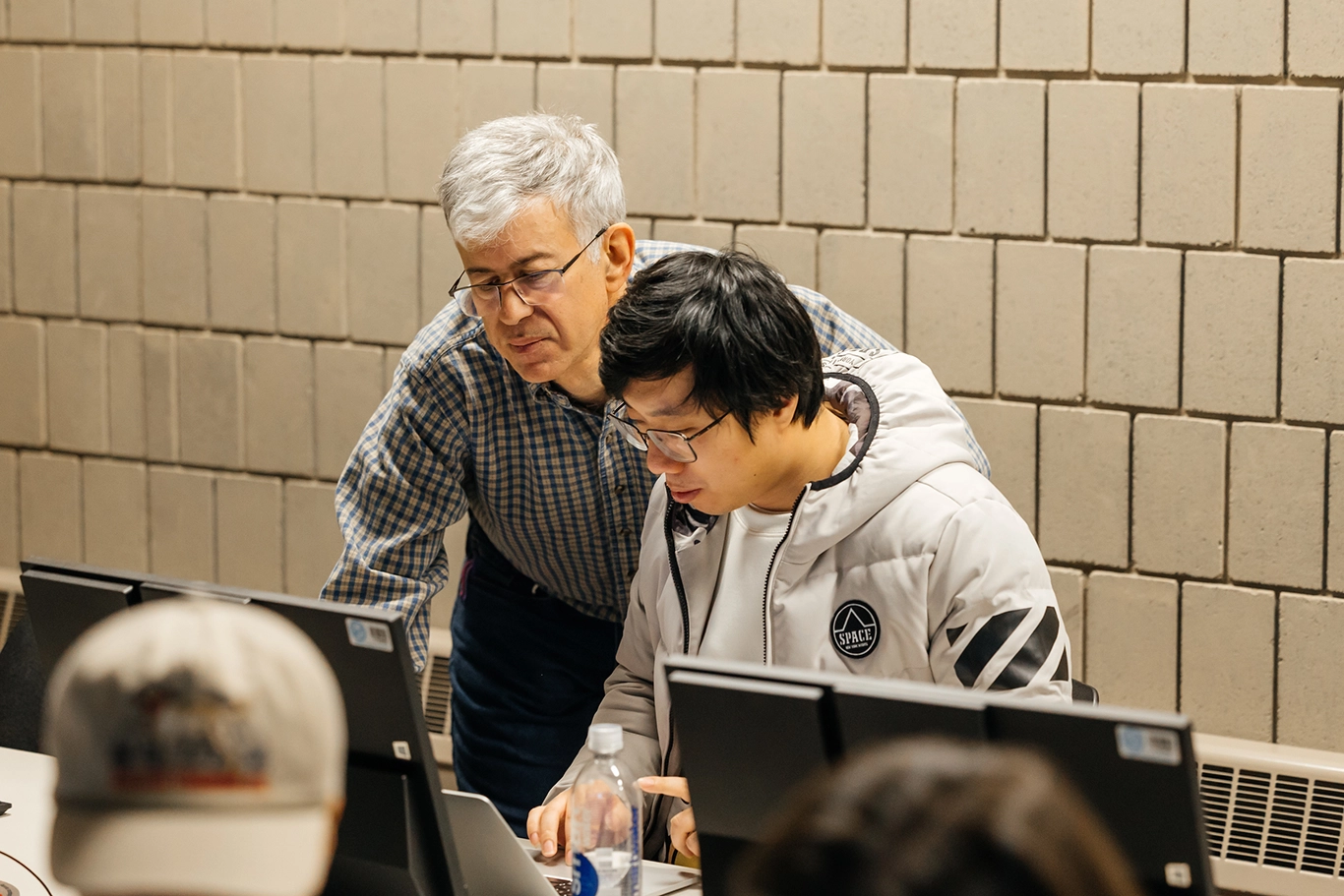
Experiential learning at Moorhead engages students in hands-on, real-world experiences, equipping them with versatile skills to become the region’s most sought-after professionals.