
The Student Success Team Model: How Moorhead Is Improving Retention
It takes a village to raise a child. It also takes a village to help a college student graduate.
That's the whole idea behind Minnesota State Moorhead's Student Success Team model, which is already yielding results in its first full year of implementation, recording a record-high 92.3% fall-to-spring retention rate.
For Moorhead, it's the first number to tell a story and one worth celebrating – both because it is an early indicator that fall-to-fall retention rates will also rise and because it exceeds the university's retention goal for 2028 two years early.
The definitive measures of success include first-time, full-time returnees from fall-to-fall and, ultimately, the percentage of our degree-seeking students completing their degrees. But it's the freshman or first-time students who are at the greatest risk. Even in a good year, losing about 25% of those students is typical.
The Student Success Team model brings clarity and coordination to student support and success. It's an integrated approach that recognizes students' needs don't exist in "silos". Students may face academic challenges, financial strain, gaps in belonging and connection, or difficulty navigating policies and processes, and these issues often overlap.
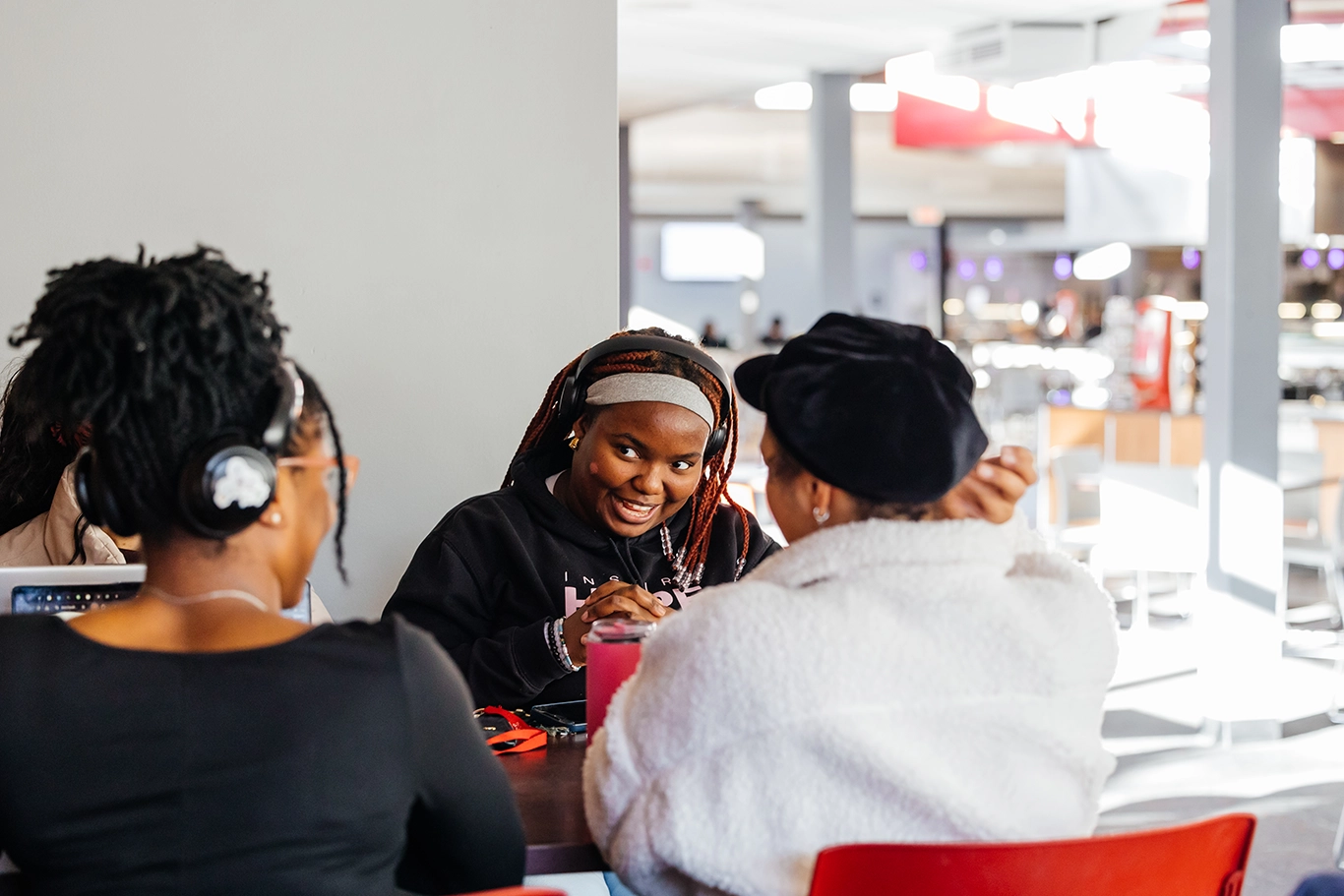
The success team model connects students with the people who can help, so they don't have to guess where to go next.
- Academic Advisors help students map degree requirements, plan courses, make academic decisions, and plan future goals for their career and education.
- Peer Mentors are experienced students who help new students in the college transition and may include learning communities or First Year Experience.
- Group-Specific Support refers to programs students may participate in, such as GRIT, Honors College, or Athletics, that provide opportunities to connect with like-minded students or staff members.
- Faculty & Staff develop deep connections to students. They support students inside and out of the classroom and can be an important point of referral for students who need additional support.
Building on the model, and new this year, was the addition of success coaches and a texting tool
- Success Coaches ensure every student has ongoing support and guidance throughout their time at Moorhead. A success coach helps students identify areas they want to address, set goals, and identify actions steps. In addition to the student relations coordinators in the academic colleges who serve as success coaches for students in their second year and beyond, three new Title III-funded student success specialists were hired to support new first-year students.
- The Scorch chatbot was introduced in fall 2025 as a 24/7 AI-powered texting chatbot that checks in proactively with students every 7 to 10 days and answers student questions any time. Since launching in August 2025, Scorch has received 16,800 texts with a 70% engagement rate and connected 813 students to campus resources, including their success coaches.
"Moorhead students are surrounded by caring, committed educators in every corner of campus," said Interim Executive Director of Student Success Erika Beseler Thompson. "From classrooms to residence halls to offices, we teach students and help transform their imagined futures into reality."
Overwhelmed to on track: Early support sets a solid path
Freshman Kennedy Froelich describes her first semester at college as "definitely rocky." She says in high school, showing up and doing the work in class was usually enough to earn her an A. "So, when I got to college, it was a big wake‑up call. It was self-paced, and I had to manage my own work; no one else was going to push me anymore," she said. "I had to flip my system, and I was so overwhelmed I didn't know where to go or what to do."
Fortunately, she learned about the student success team in her First Year Experience class. She also received texts from the Scorch chatbot. Most importantly, she received an email and text from her success coach, Jessica Brooks.
"She reached out multiple times. At the five-week check-in, one of my professors flagged that I might be struggling, so Jessica immediately reached out and asked if I wanted to talk. I was nervous at first because I was very distraught, but when I went to my first meeting, it was so welcoming and easy," Kennedy said. "It really showed me someone here was paying attention and wanted me to succeed."
Coach Jessica helped Kennedy navigate mental health, academic and roommate concerns. "She connected me to resources that helped in the moment," Kennedy said. After addressing immediate issues, "we talked about different tactics and methods to make sure I was keeping track of my tasks and prioritizing them. She really helped me find a routine that worked for me."
The faculty nudge was also key in encouraging Kennedy to respond to Jessica. In fact, any faculty or staff member can let success coaches know if they have concerns about a student by creating a referral in the Advising & Early Alert system.
Rachel Axness, a professor in the construction management program, is well acquainted with the Academic Success Center.
"It's right at our fingertips to put in a student referral to the success team," Axness said. "My experience in submitting information is that students get the additional support they need from the Academic Success Center right away."
She also credits the five- and 10-week academic check-ins for contributing to student success and, therefore, retention. "It has created a streamlined process of communicating at multiple points throughout each semester. It's been really beneficial for students," Axness said. An average of over 95% of academic progress checks are completed by dedicated faculty at weeks 5 and 10 every term – setting the stage for success coach outreach.
A coordinated campus effort helps students thrive
It's the village coming together that ensures our students succeed. In addition to a record fall-to-spring retention, our fall-to-fall retention has increased 7.2% since 2020. While there's lots to celebrate, retention work never ceases. Campus leaders want to ensure student retention from spring-to-fall continues to improve, as there's room to make up ground.
Beseler Thompson credits retention success to the wide array of support available to students through the student success team model – advisors, instructors, success coaches, peer mentors – as well as the work happening campuswide that focuses on understanding students' needs and intentionally designing experiences to address them. She also points to something she sees every day: faculty commitment to creating engaging learning environments and transformative experiences.
She says the work emerging from the Title III grant on experiential learning, and the ways departments are building immersive opportunities in and out of the classroom, are key to students seeing meaning in what they're learning. This includes research experiences, faculty-led seminars, study abroad, and career-readiness efforts intentionally introduced early in a student's experience.
Because the more a student can connect the Dragon experience to who they want to become, the more likely they are to engage, persist, and graduate.
"This care model helps connect all the different roles we have on campus to collaborate more clearly and to meet students' needs more holistically. It makes sure that we can each do what we do best," Beseler Thompson said.
The student success model really includes all of us. A single point of connection for a student cannot be overstated.
That's why we do the work we do. It's where our work connects to the university's vision: preparing students to be the region's most sought-after professionals, not only through curriculum, but through experiences and connections that build confidence, skills, and purpose.
"I look to our entire campus and ask how we can maintain the momentum that we had this year and extend it to every semester beyond," Beseler Thompson said. "There are a lot of exciting things happening on campus, creating great momentum. We've seen a revitalization of vibrancy on our campus, and students feel that. They feel the energy, and it creates an environment and space they want to stay."
Academic Success Center
The Academic Success Center fosters student success and retention by providing a centralized location of resources for students, staff and faculty. Integrated academic support services are available for you.
Learn more about the Academic Success CenterMore Stories from Dragons
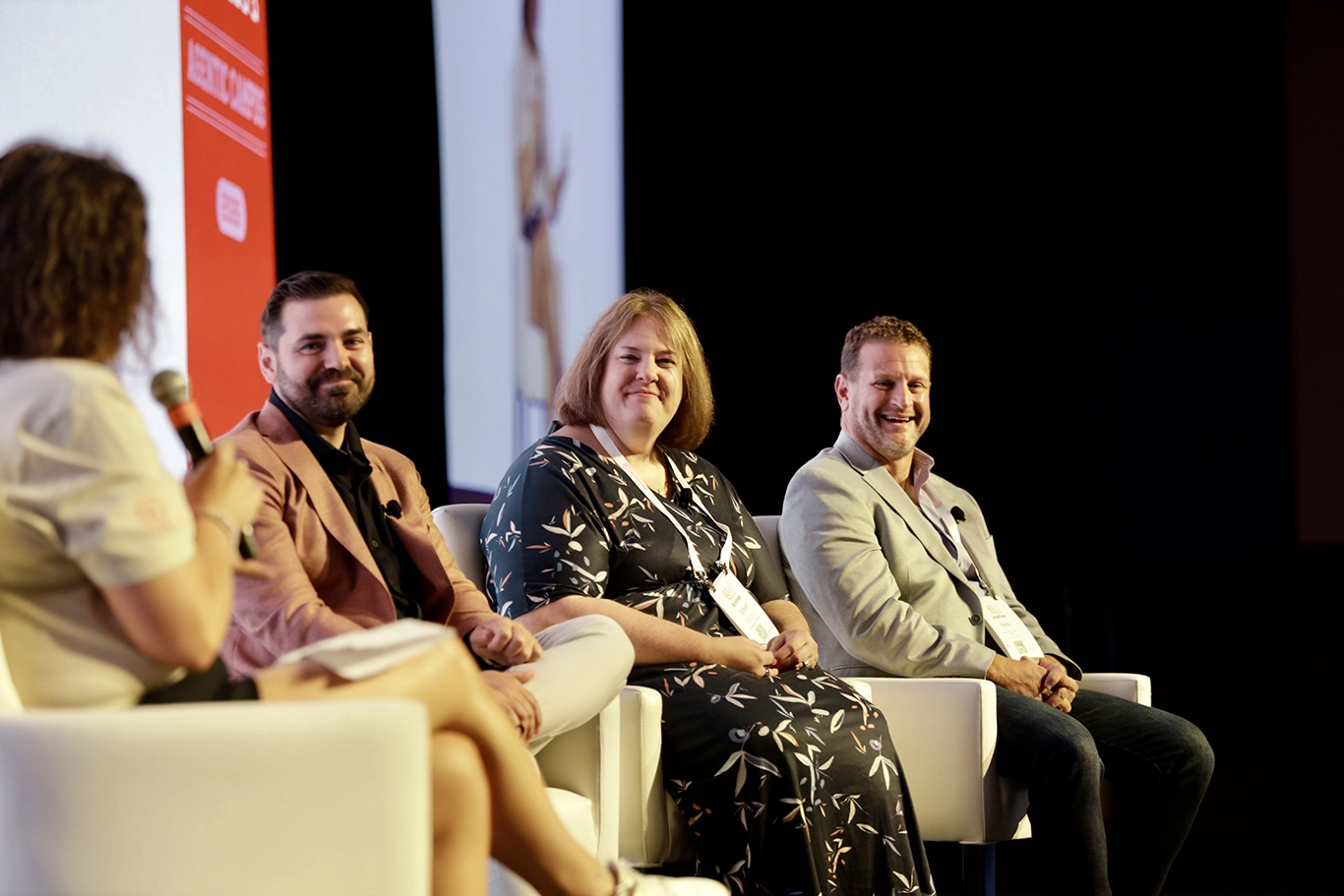
Moorhead’s AI efforts receive national recognition
MSUM received the first-ever AI Innovation Award at the Engage Summit 2026 for its AI literacy framework.
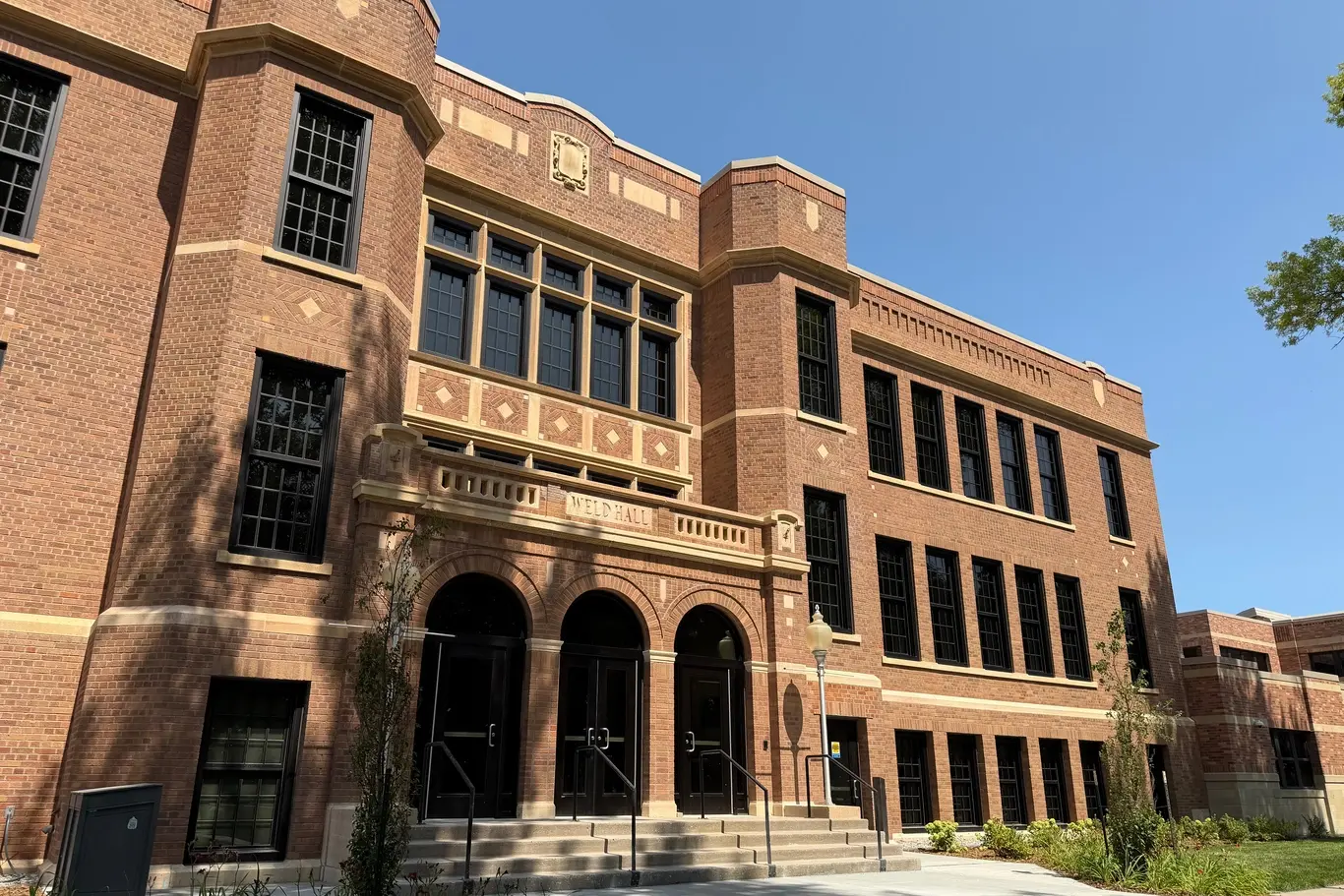
Weld Hall: Restored and Reimagined
New stories will be built in renovated Weld Hall.
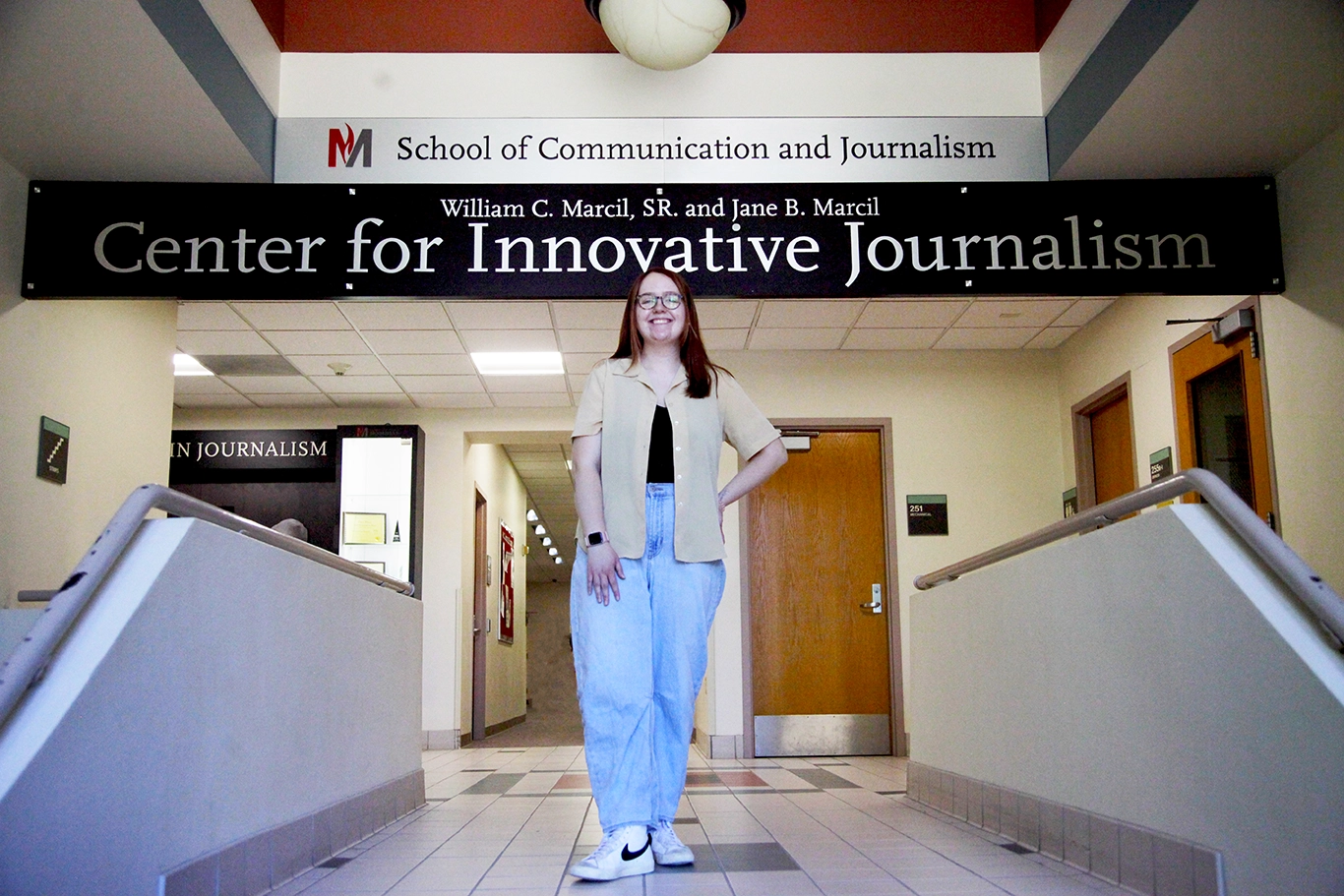
Why Olivia loves MSUM
Digital media management student Olivia Johnson came to MSUM for its journalism department.